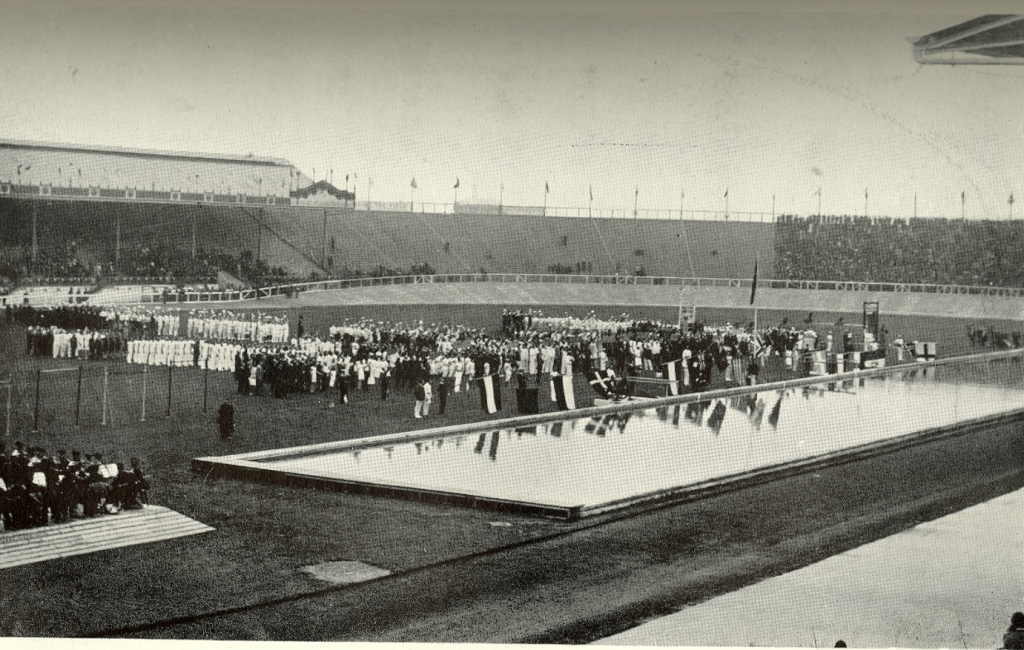
What is this Project?
With the Russian Olympic Boycott, 1972 Canada vs. USSR Summit Series, and 1980 Miracle on Ice reaching the forefront of Cold War sports history, it has become important to trace the origins of Russian involvement in international competition to its origins in the early 20th century.
This is a four part website designed to highlight the connection between national culture and athletic success, using the Russian 1908 Olympic effort as an example. Visual media combined with the stories of the individual medal winners will place athletic success within a wider historical and cultural context. Athletes raised in a particular system often reflect it in their performance, so stories of successful Csarist-era athletes provide a glimpse into sporting life in the late Csarist period in Russia, and perhaps more importantly, reflect key societal debates around borgeoisification and the political importance of Russian participation.
It is split into four parts:
- This introductory piece which provides historical context
- Winter sports and the story of ice skater Nikolai Panin
- Circuses and the two silver medalist Russian wrestlers
- The British Perception of Russia as see through newspapers
What does this article seek to demonstrate?
Russian cultural institutions were essential for Russian success in 1908. Athletes succeeded in specific sports because institutions like ice skating rinks, canals, travelling circuses, and steppe farmhouses created the ideal conditions for the development of skaters and wrestlers. However, this success did not impact Imperial Russia’s position as a ‘backwater’ for other western countries.
Historical Context
Russia was gradually changing in the period between 1870 and 1908. These general changes made organized sport more feasible.
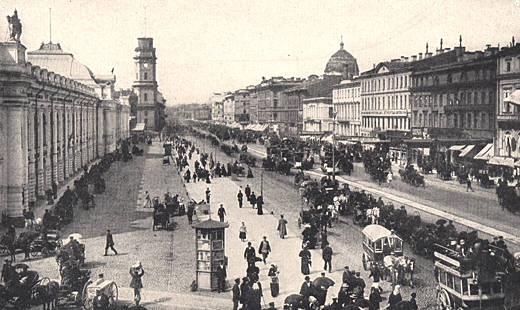
Urbanization meant more Russians were inhabiting larger cities. It was increasingly feasible to gather groups of interested athletes in one place. 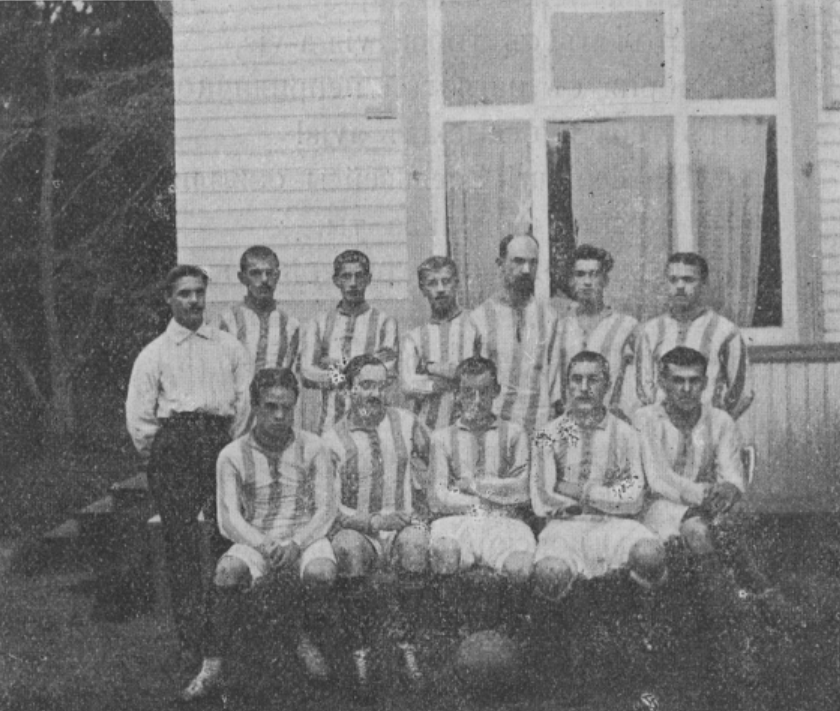
On top of industrialization, there was a general increase in organized sports among the lower classes, made possible by the emancipation of serfs. Greater interest also saw a rise in sports periodicals. 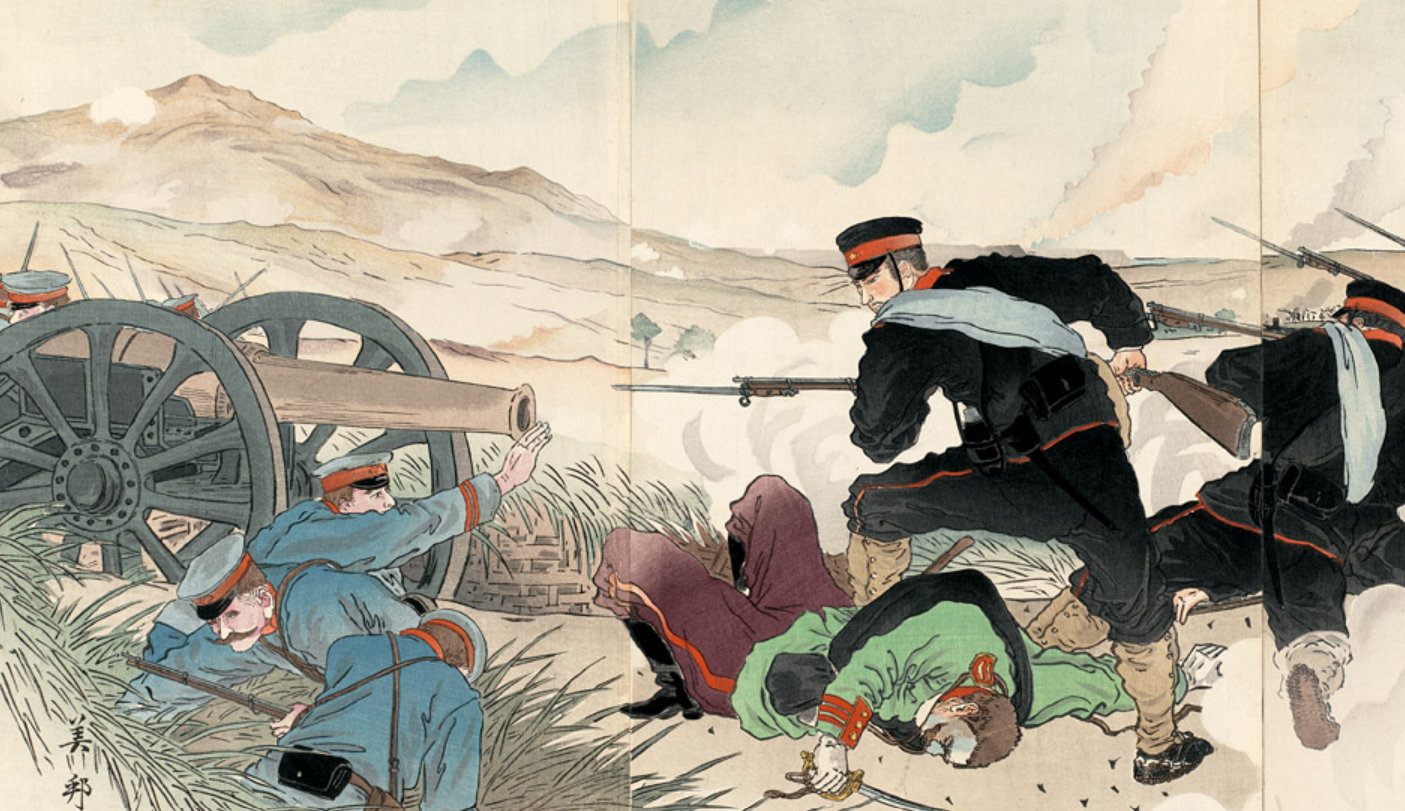
Economically, the period after Russia’s defeat in the Russo-Japanese War was characterized by recovery. The 1897 decision to attach Russia to the gold standard and the expansion of the state budget proved essential in postwar economic expansion.
Sources 1
Russia and the Olympics before 1908
Why is 1908 an important year to study? Why does it best represent the earliest Russian contribution?
1892 – 1896:
1900
1904
No consideration that Russia should participate at all due to logistical issues of transport
Four athletes competed on their own, but none placed near the podium
Russia does not compete due to the Russo-Japanese War
1908
Russia sends a dozen athletes, winning three medals and placing 12th on the medal table, which was a completely unexpected result for outsiders
There was no observable or statistical precedent for the sudden rise in competitive skill of Russia. The question is then to explain why Russian athletes were suddenly competitive. By examining the winners, it becomes clear they all benefited from sport-specific institutions that took on new roles in the 1890s and 1900s for developing athletes.
- See Boris Ananich, “Russian Military Expenditures in the Russo-Japanese War, 1904–5.” In The Russo-Japanese War in Global Perspective. Brill, 2005. See also Konstantin A. Alexeev, “On the Periodization in History of the Russian Sports Journalism,” Vestnik of Saint Petersburg University Language and Literature 15, no. 2 (2018): 177-178. ↩︎
 Russia and the 1908 Olympic Games